



Exophtalmomètre
Caractéristiques
- Lighter Weight
- Precise Measurement
- Performances stables
- Compact Package
À propos The Exophthalmometer
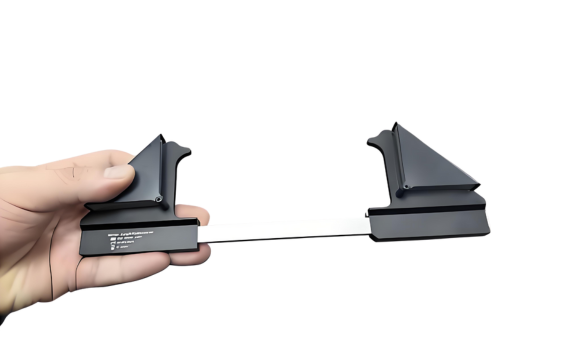
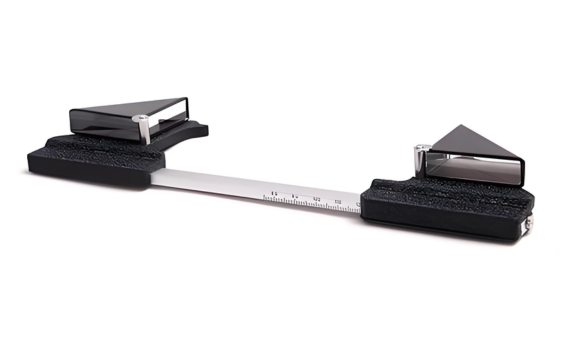
An exophthalmometer is an ophthalmic examination device used to measure the degree of protrusion of the eyeball. Different types of exophthalmometers are available based on their operating principles and functions. The Hertel exophthalmometer, consisting of graduated parallel rods and a sliding measuring device, with a plane mirror for viewing the readings, is the most widely used in clinical practice.
Spécifications techniques
| Plage de mesure | 0~35mm |
| Précision de mesure | 0.5mm |
| Orbital Distance Adjustment Range | 80~120mm |
| Product Size | 241*70*28mm |
| Product Weight | 400g |
How to Use the Exophhtalmometer
Easy Use
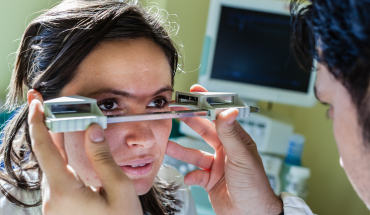
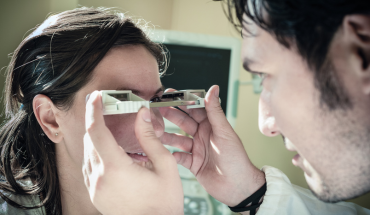
Our HEM300 exophthalmometer is used for precise measurements of exophthalmos (e.g., exophthalmic goiter). The basis of determining exophthalmos using the Hertel version is the outer orbital rim (orbital wall) and the apex of the cornea. The integral refraction mirrors with millimeter scales for the left-hand and right-hand measuring halves of the exophthalmometer are calibrated so that the zero mark on the scale will be located in the plane of the resting points of the supports. For exophthalmos measurements, the supports are placed against the two temporal orbital walls so that the orbital rim contacts the deepest point of the supports.
Easy Maintenance
Our Hertel exophthalmosometer is made of easy-to-clean materials, is durable, easy to maintain and clean, and is very suitable for the needs of busy doctors.
Exophtalmomètre Application
The average normal exophthalmos in our country is 11.68-13.93 mm (as of 2024). A difference of more than 2 mm between the two eyes, or a value exceeding 21 mm, may indicate pathological exophthalmos. Measurement results can help diagnose conditions such as orbital tumors and hyperthyroidism, and monitor changes in the condition to adjust treatment plans.

Case for Exophthalmometer
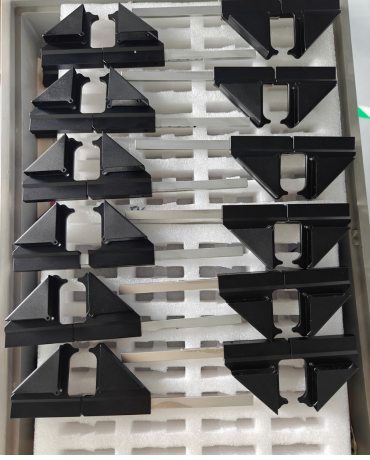
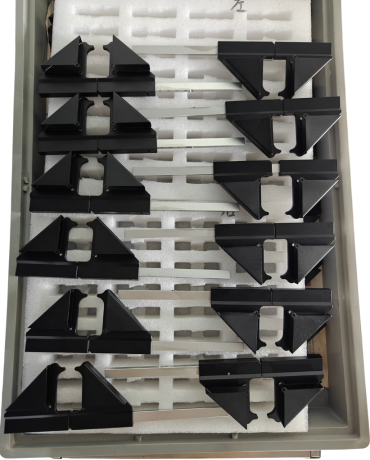
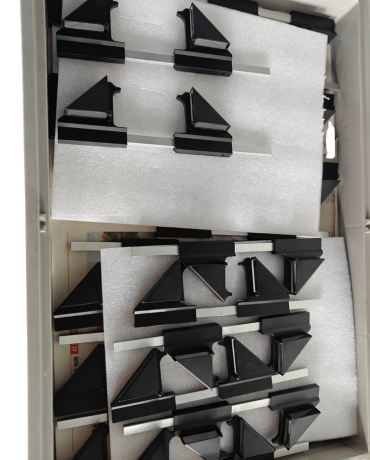
Our aluminum box packaging is inlaid with a soft elastic protective layer to effectively prevent the exophthalmometer from being damaged.

Hertel Exophthalmometer in Stock



Exophthalmos is a method used to measure the protrusion of the eyeball.
There are two methods to measure exophthalmos, Including the ordinary scale measurement and the Hertel ophthalmoscope measurement.